FNQ Nature Tours 5 Day Birding Tour
| Rate Option | Adults | Children | Infants | Families | Extras | ||
| 5 Day FNQ Birdwatching Tour 2 pax Twin share | $7,580.00 | N/A | N/A | N/A | N/A | ||
| 5 Day FNQ Birdwatching Tour 1 pax | $4,490.00 | N/A | N/A | N/A | N/A | ||
Rates valid for travel in 2026. Min 4 - Max 8 |
|||||||
| Prices are shown in Australian dollars and include GST. Prices subject to change without notice. | |||||||
2026 Departure Dates:
18-22 May 2026
29 June – 3 July 2026
27-31 July 2026
24-28 August 2026
On this tour guests will not only experience exploring the natural beauty of Far North Queensland; they will also be offered unique and exclusive opportunities to visit conservation organisations to learn about the efforts of supporting nature and wildlife conservation in our region. This includes learning about rainforest restoration and wildlife rehabilitation. A major highlight of this tour for guests is meeting the unsung heroes of the nature and wildlife conservation community who have dedicated their lives to protecting and conserving the wild future of our planet.
A signature of FNQ Nature Tours, is our ability to guarantee immersive wildlife encounters. This is achieved through exclusive access to areas such as the Forever Wild Tropical Wetlands Shared Earth Reserve, a landscape of old growth savannah woodlands, lakes, swamps and creeks.
ITINERARY
DAY 1 – Daintree River/Daintree Village/Julatten
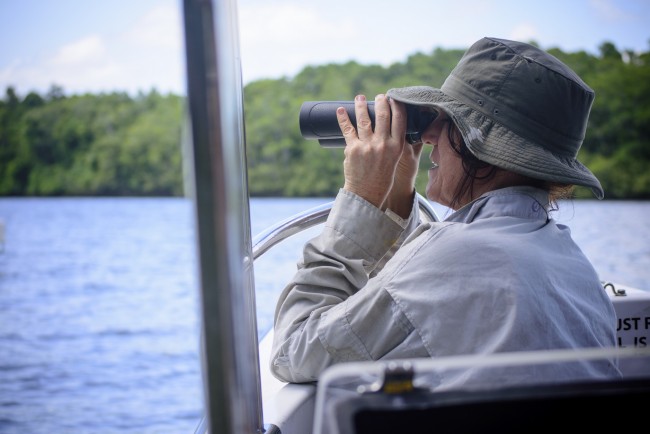
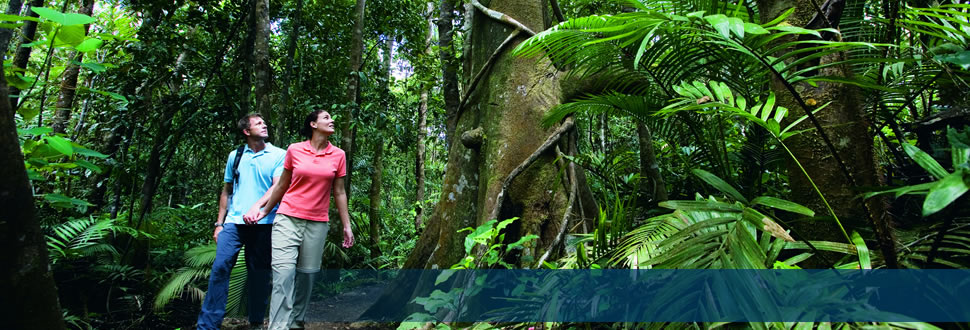
Heading north from Cairns, our first birdwatching experience will be a private wildlife cruise on the Daintree River. This is one of the best examples of a tropical river with rainforest growing right to the water’s edge, which provides for some great birding. The river is most famous for the great-billed heron and little kingfisher. The heron, one of the world’s largest, was always a ‘phantom’ bird for birdwatchers. Twenty years ago, it was rarely seen. Once birding tours commenced on the river, exploring the small rainforest and mangrove creeks that ran from it, the bird was seen more regularly. Even now, however, it remains elusive and can melt into the shadows of the rainforest or mangroves right before your eyes.
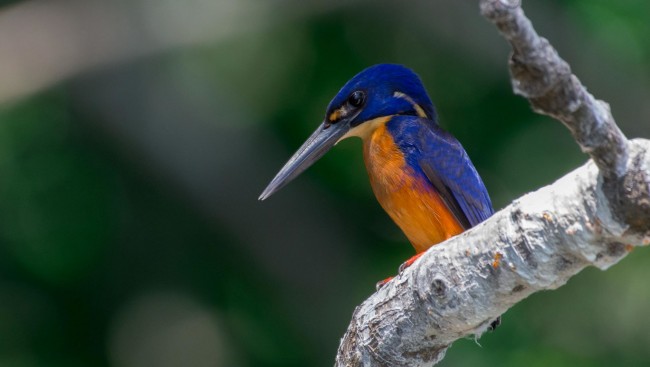
Referred to in many ‘birding’ reference books, this famous cruise has been the highlight for many birdwatching enthusiasts in Far North Queensland. Key target species include Great-billed Heron, Papuan Frogmouth, Little Kingfisher, Azure Kingfisher, Shinning Flycatcher, White-bellied Sea-eagle Black Bittern, Saltwater Crocodile, Green Tree Snake, Water Dragon and butterflies.
A short visit to the Daintree Village itself to investigate the purposeful flowering trees followed by lunch nearby.
Lunch will be held at the Daintree Tea House. With 30 years in operation, they have mastered the art of perfection. Lunch has an exotic theme with the outside dining area secluded in the rainforest with beautiful views of tropical rainforest and continuous sounds of birds and nature. A fruit tasting presentation is often a part of their wonderful service.
An early afternoon arrival at our accommodation in Julatten to bird the famous Kingfisher Park Birdwatchers Lodge.
Kingfisher Park Birdwatchers Lodge will be home for the next two evenings. A small family-run business set in an internationally renowned sanctuary. The property is owned and operated by professional guides and naturalists Carol and Andrew Iles, who have worked in the area since 1999. Set in Tropical Far North Queensland, one of the best birding areas in Australia. There are many resident birds at the lodge including Noisy Pitta, Red-browed Finch, Macleay’s, Yellow-spotted and Graceful Honeyeaters, Pale-yellow Robin, Little Shrike-thrush, Yellow-breasted Boatbill, Black-faced & Spectacled Monarch, Cicadabird and Spotted Catbird
Overnight accommodation at Kingfisher Park
DAY 2 – Julatten/Mt. Lewis/Kingfisher Park
This morning will be spent exploring the farms, swamps and fields of Julatten and Mount Carbine.
Highlights can include Noisy Pitta, Red-browed Finch, Macleay’s, Yellow-spotted and Graceful Honeyeaters, Pale-yellow Robin, Little Shrike-thrush, Yellow-breasted Boatbill, Black-faced & Spectacled Monarch, Cicadabird and Spotted Catbird
The afternoon will be spent exploring the area of Mount Lewis. A 30-minute drive from the lodge is perhaps one of the more secretive birding hotspots in the area. A great place to see Victoria’s Rifiebird, Bower’s Shrike-thrush, Bridled, Lewin’s Honeyeaters, Mountain Thornbill, Fernwren, Topknot Pigeon, Brown Cuckoo-Dove, Wompoo and Superb Fruit-Doves.
Optional Spotlighting
Spotlighting can also be very rewarding with Barking, Sooty (Lesser) and Barn Owls, Papuan Frogmouths are usually heard Calling and Boyd’s Forest Dragon and Northern Leaf-tailed Gecko are also common. Also keep an eye out for Striped & Green Ring-tailed Possum, White-tailed Tree rat and also Long-nosed and Northern Brown Bandicoot.
Overnight accommodation at Kingfisher Park
DAY 3 – Mareeba/Granite Gorge
Checking out of the lodge, we move on toward the Atherton Tablelands.
The transition from Highland Rainforest through Savannah Woodland to eventually Mabi Forest, offers impressive contrast for birdwatching and wildlife experiences. On this morning you will explore all the backroads, farms, and fields around the Mareeba township. There are various swamps, billabongs, and creeks to investigate.
The diverse range of birdlife and wildlife might include Magpie Geese, Black-necked Storks (Jabiru), Cranes including Brolga, Sarus Crane, Bustards, Jacanas which thrive on the water lilies. Both the Laughing Kookaburra and Blue Winged Kookaburra are regularly seen, as well as numerous Honeyeaters, Robins, Thrushes, Monarchs, Fly Catchers and Wagtails are seen throughout the area.
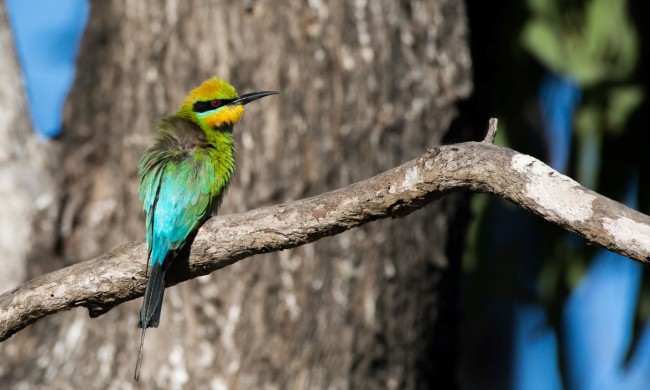
Granite Gorge is a famous sight to witness the endemic Mareeba Rock Wallaby. The granite outcrops abound riparian grasslands encompassing more interesting birding opportunities such as the Red-backed Fairywren, Squatter Pigeon, Crested Pigeon, Rainbow bee-eaters Dollarbirds, Tree Creepers and Pardalotes
Overnight accommodation at Chambers Wildlife Lodge
DAY 4 – Atherton Tablelands/Hasties Swamp/Mt. Hypipamee
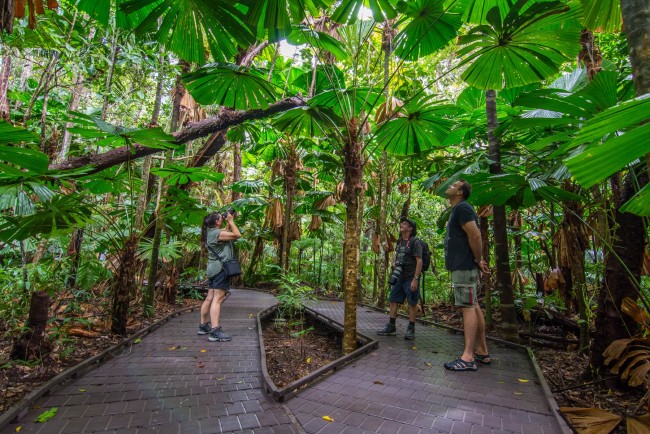
The Atherton Tablelands is the high-altitude counterpart of the coastal Daintree Rainforest. Offering freshwater creek trails and walking tracks into mesophyll vine forest and outstanding remnants of the regions volcanic history
Hasties Swamp is a large seasonal wetland renowned for its diverse range of resident and migratory birds. Over 220 species have been identified and a large bird hide, with informative identification signs, offers excellent waterbird viewing opportunities.
One of the highlights of the Atherton Tablelands is Mount Hypipamee National Park, this is one of the best places to see the magnificent male Golden Bowerbird which have Bowers in the area. It’s also a great place for Southern Cassowary. Other birds that can be found in the general area are Eastern Spinebill, Grey-headed and Pale-yellow Robin, Lewin’s and Bridled Honeyeater, Chowchilla, Spotted Catbird and Tooth-billed Bowerbirds.
Mount Hypipamee is also great for spotlighting. We have encountered Green Ringtail, Herbert River Ringtail, Lemuroid Ringtail and Brushtail Possums here. Lumholtz Tree Kangaroos too if you’re lucky!
Overnight accommodation at Chambers Wildlife Lodge
Day 5 – Crater Lakes/Yungaburra
Lake Barrine and Yungaburra are outstanding locations to visit for all nature lovers. Several walks are available offering great wildlife and bird watching opportunities. From 30 minutes to two hours, tailored to our target species of the day.
These include Tooth-billed Bowerbird, Spotted Catbird, Victoria’s Riflebird, Double-eyed Fig-Parrot, Australian King Parrot, White-throated Treecreeper, Yellow-throated Scrubwren, Eastern Spinebill, Lewin’s Honeyeater, Bridled honeyeater, Dusky Honeyeater, Scarlet Honeyeater, Brown Honeyeater, Macleay’s Honeyeater, Chowchilla, Eastern Whipbird, Black-faced Cuckoo-shrike, White-bellied Cuckoo-shrike. Barred Cuckoo-shrike. Pale-yellow Robin, Grey-headed Robin, Black-faced Monarch, Spectacled Monarch and Grey Fantail.
Peterson Creek Wildlife & Botanical Walking Track is located in the heart of Yungaburra where we may be able to view platypus or the rare Lumholtz Tree-Kangaroo.
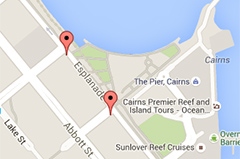
The final afternoon is a chance to review what specialist species we may have missed throughout the trip, before a final endeavor to sight the few remaining. The final birding location might include Etty Bay on the Cassowary Coast or even the Cairns Esplanade.
Return to Cairns approximately 4:30/5:00PM
(optional) suggestion add on Day 6 - Reef Tour to Michaelmas Cay -The cay is a major nesting island. Most commonly the breeding species observed are sooty terns, crested terns, lesser crested terns and common noddies. Occasionally silver gulls, ruddy turnstones, bridled terns, black-naped terns and roseate terns nest, while recently brown boobies have also been observed nesting. Nesting occurs all through the year with the sooty terns breeding every 8½ months and the others annually.